
Why Does My Washer Keep Filling and Draining?
By General Appliance Service
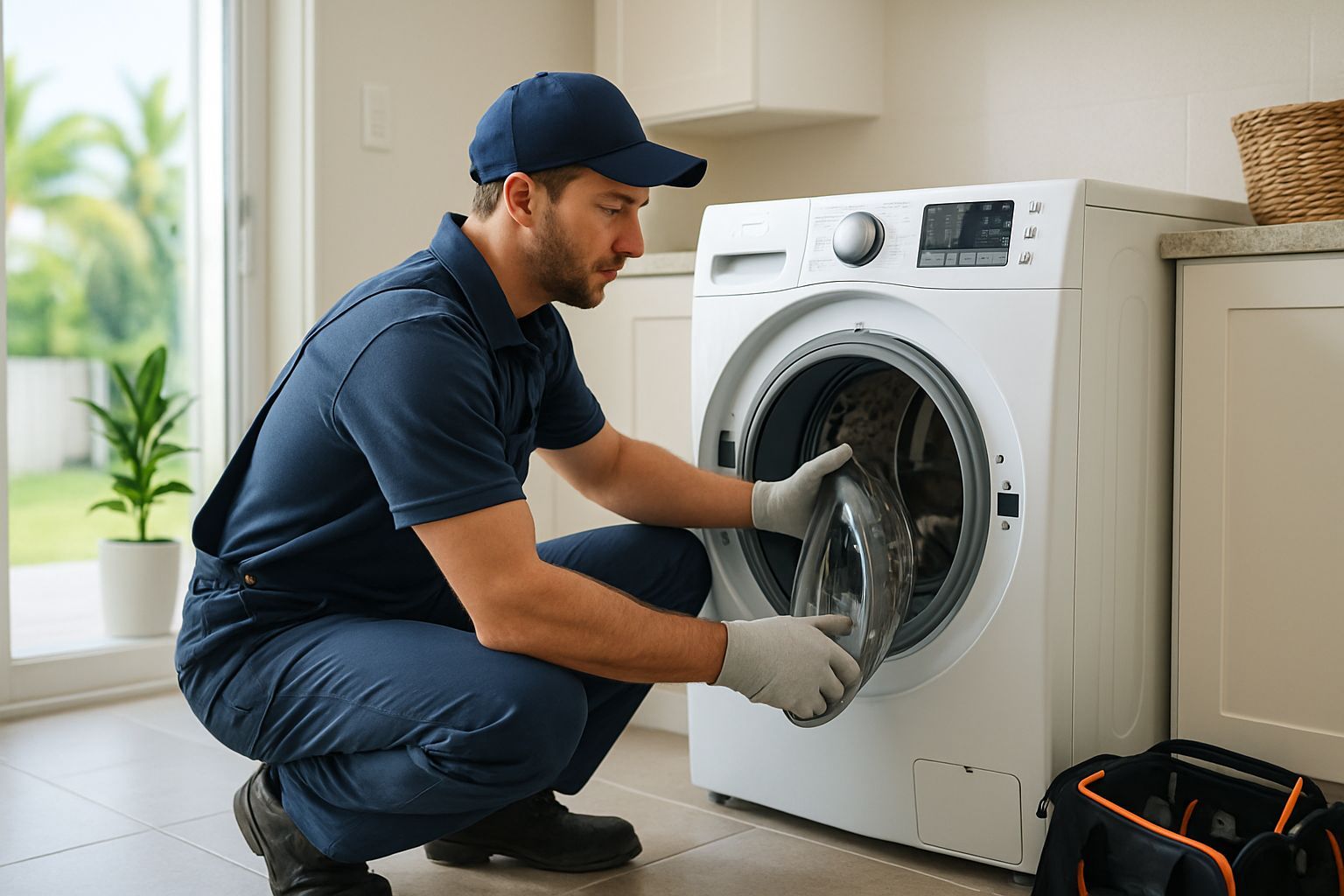
A washer that keeps filling and draining can waste water, leave clothes poorly washed, and prevent the tub from reaching the right level. The cause is often outside the machine: water may be siphoning through the drain hose while the washer continues trying to fill. Other times, the washer has a water-level, inlet-valve, or control problem that needs diagnosis.
What a Technician Checks When a Washer Keeps Filling and Draining
First, a technician determines whether the washer is truly losing water or following normal cycle programming. High-efficiency models use less water than older machines and may tumble, pause, or add small amounts of water during a cycle. Those actions alone do not indicate a failure.
The important warning sign is water visibly entering the standpipe while the washer should be filling or washing. The tub may never reach its intended level, or it may repeatedly fill, drain, and refill.
A technician distinguishes between siphoning, pump-driven draining, and incorrect water-level feedback. These faults can look similar from the laundry room, but each requires a different repair approach.
How a Drain Hose Can Siphon Water From the Washer
Siphoning happens when the drain hose creates a continuous path that pulls water from the tub into the drain. Once flow begins under the right conditions, water can continue leaving even when the drain pump is not operating.
A hose pushed too far into the standpipe is a common cause. Improper hose height, routing the hose too low, or sealing the hose tightly around the drain pipe can also create a siphon. The standpipe needs air around the hose to break that suction effect.
Pause the cycle and watch the standpipe. If water enters it during filling, consult the owner’s manual for the approved hose height and insertion depth. Make sure the hose is not kinked, crushed, flat on the floor, or deeply shoved into the pipe. Do not tape, caulk, or tightly pack the standpipe opening.
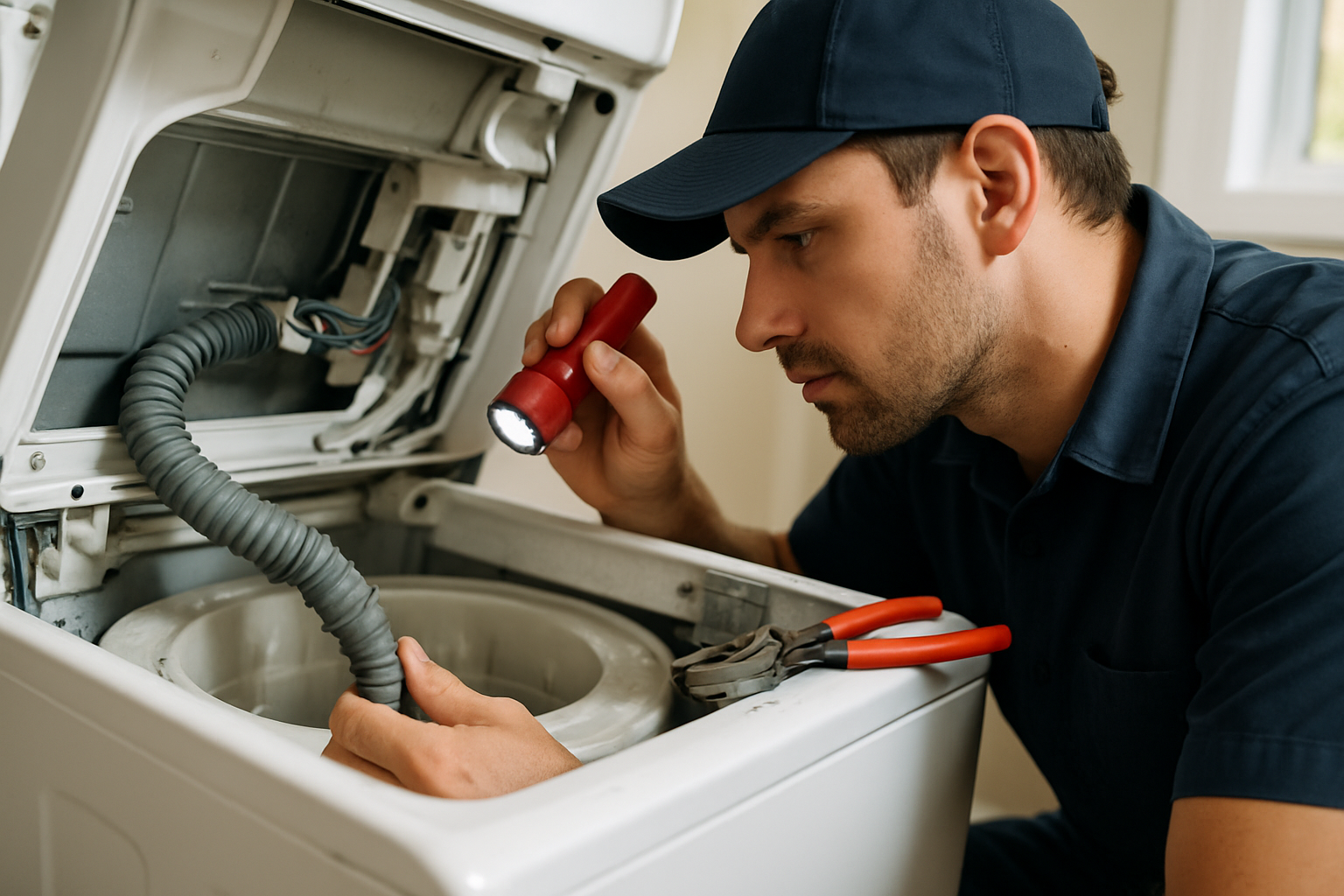
Water-Level Problems That Can Look Like Siphoning
Correct drain-hose placement does not eliminate the possibility of an internal washer fault. Washers use a pressure-sensing system to determine the water level in the tub.
Depending on the model, that system may include a pressure hose, air trap, pressure switch, or electronic sensor. As water rises, changing air pressure tells the control when to stop filling. A loose, blocked, pinched, or damaged pressure hose can send inaccurate information.
A clogged air chamber may cause similar symptoms. The washer might overfill, stop at too low a level, or behave inconsistently between cycles. Excess detergent can also create heavy suds that interfere with normal pressure sensing, so use only the recommended detergent type and amount.
A faulty inlet valve may continue allowing water into the tub after the control has told it to close. Proper diagnosis confirms whether the valve is leaking mechanically or being commanded to fill by wiring or the control board.
When the Problem Needs Professional Washer Repair
Stop using the washer if you see a floor leak, smell electrical burning, experience breaker trips, notice smoke, or receive an error code that returns after a reset. Those conditions are not simple drain-hose adjustments.
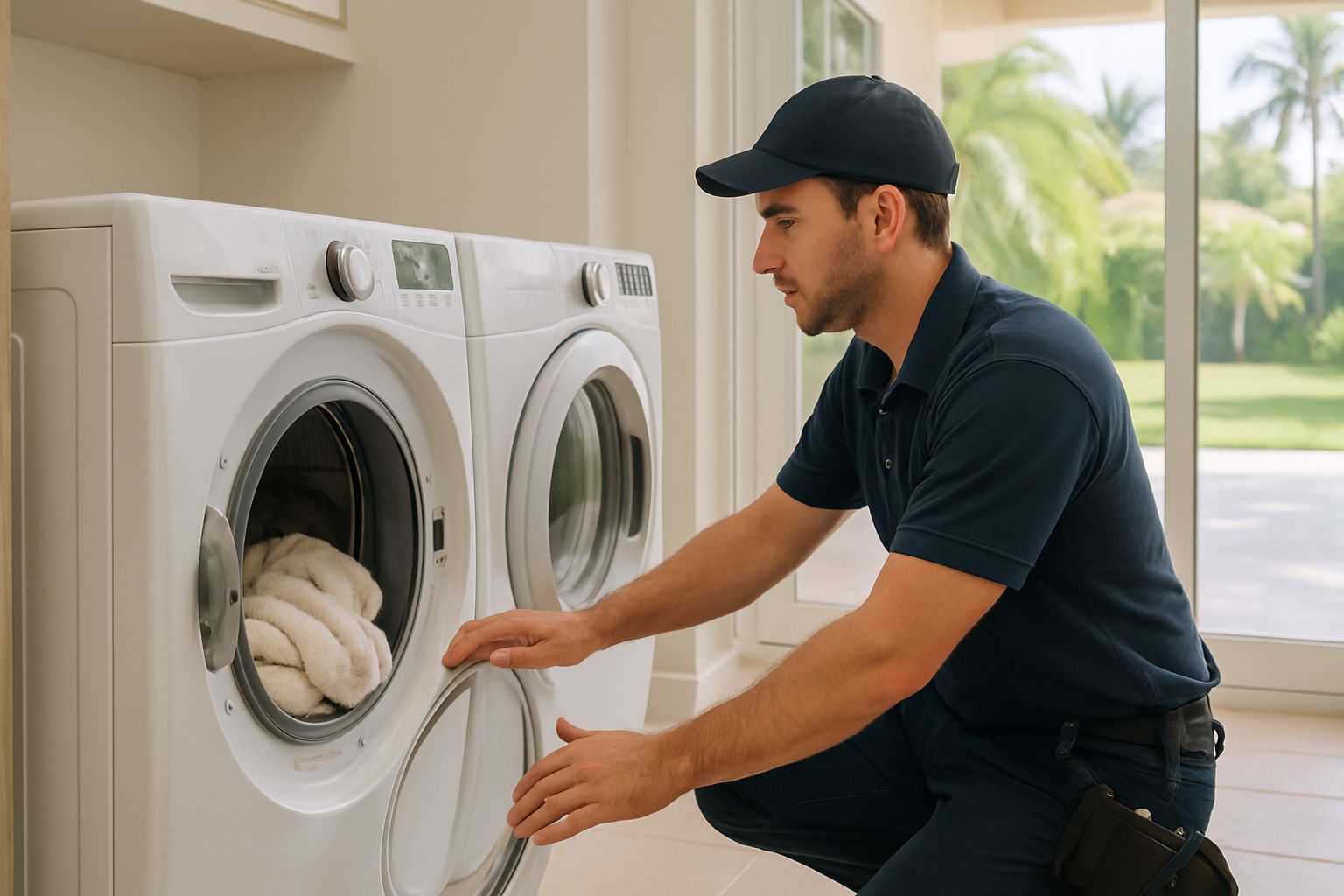
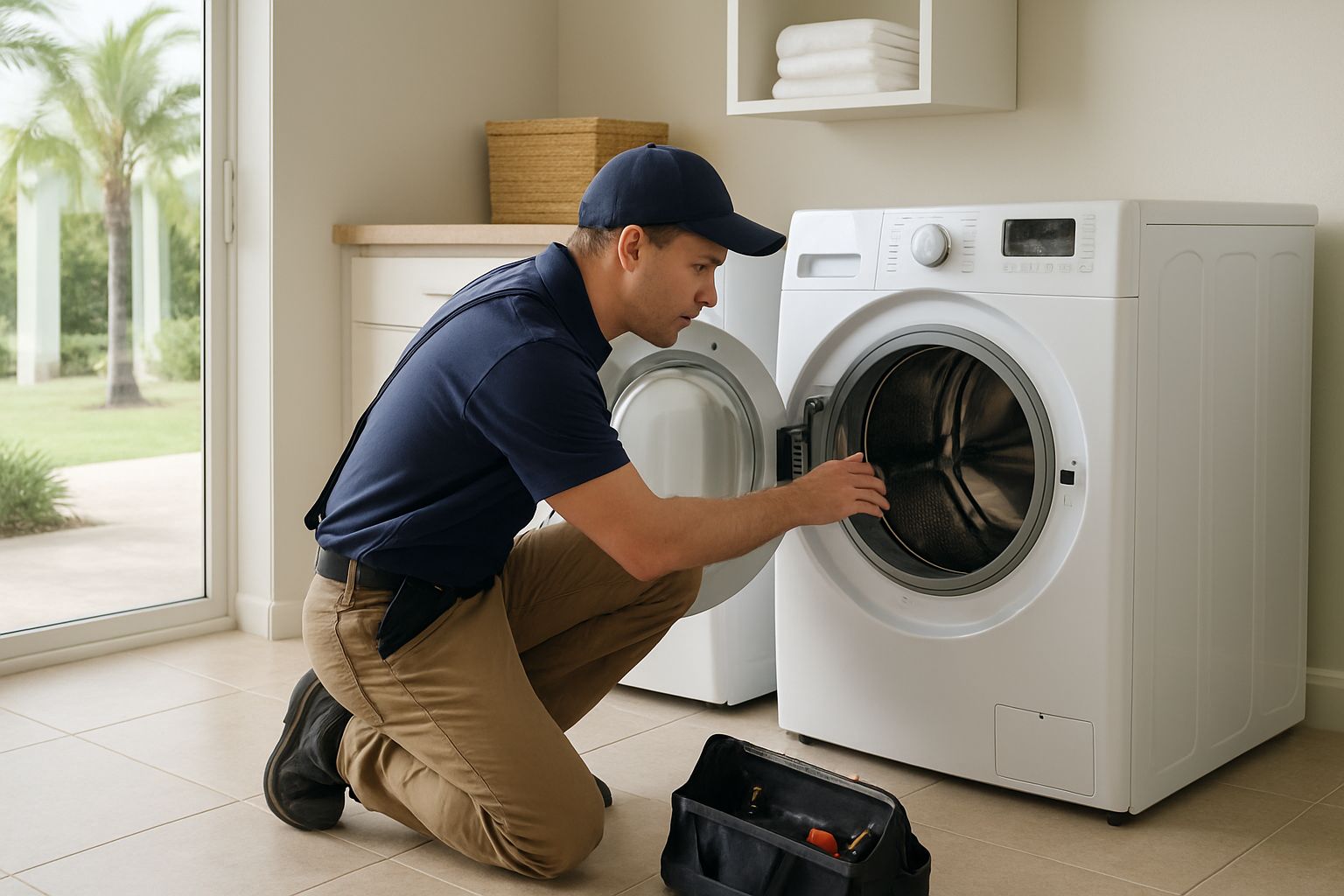
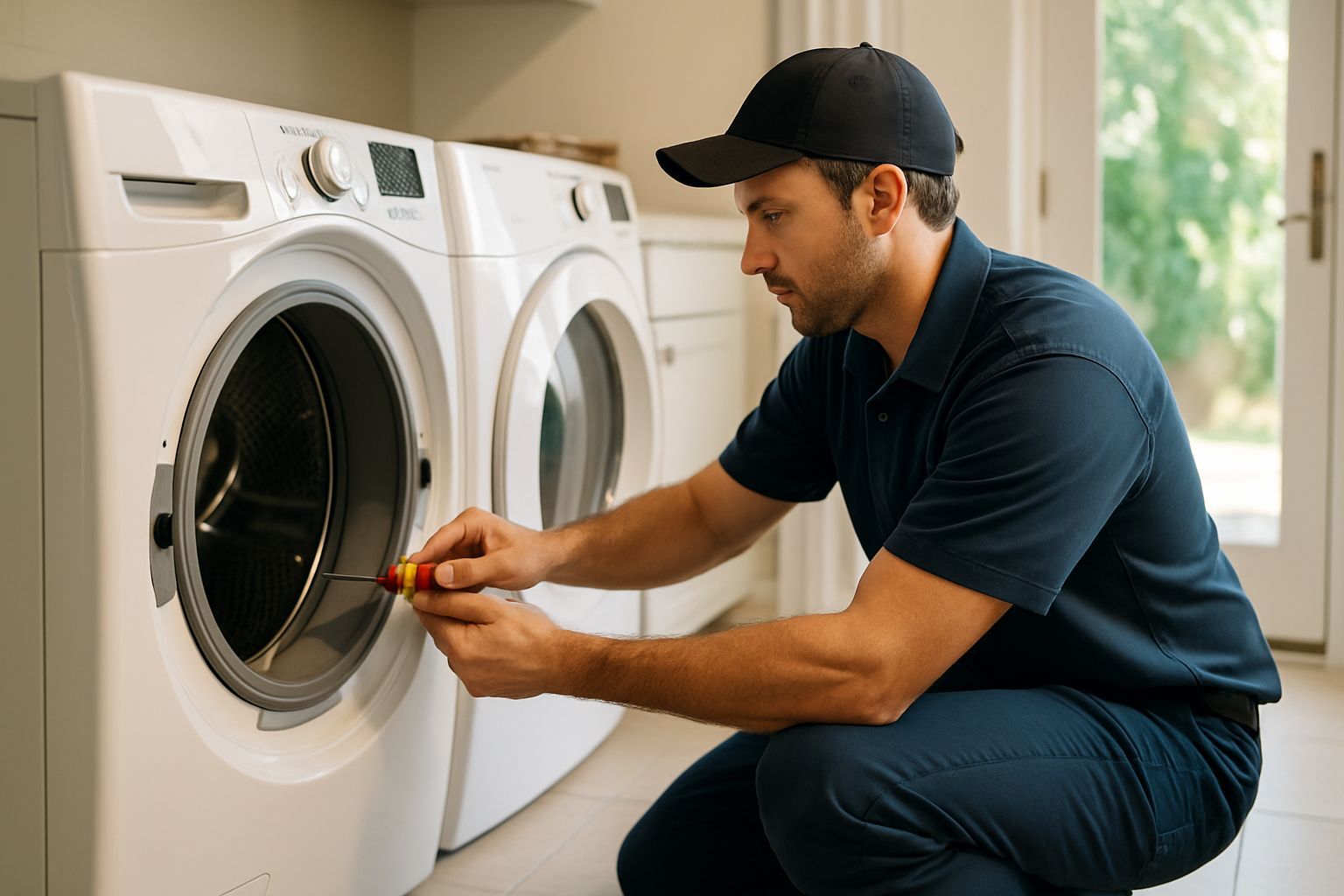
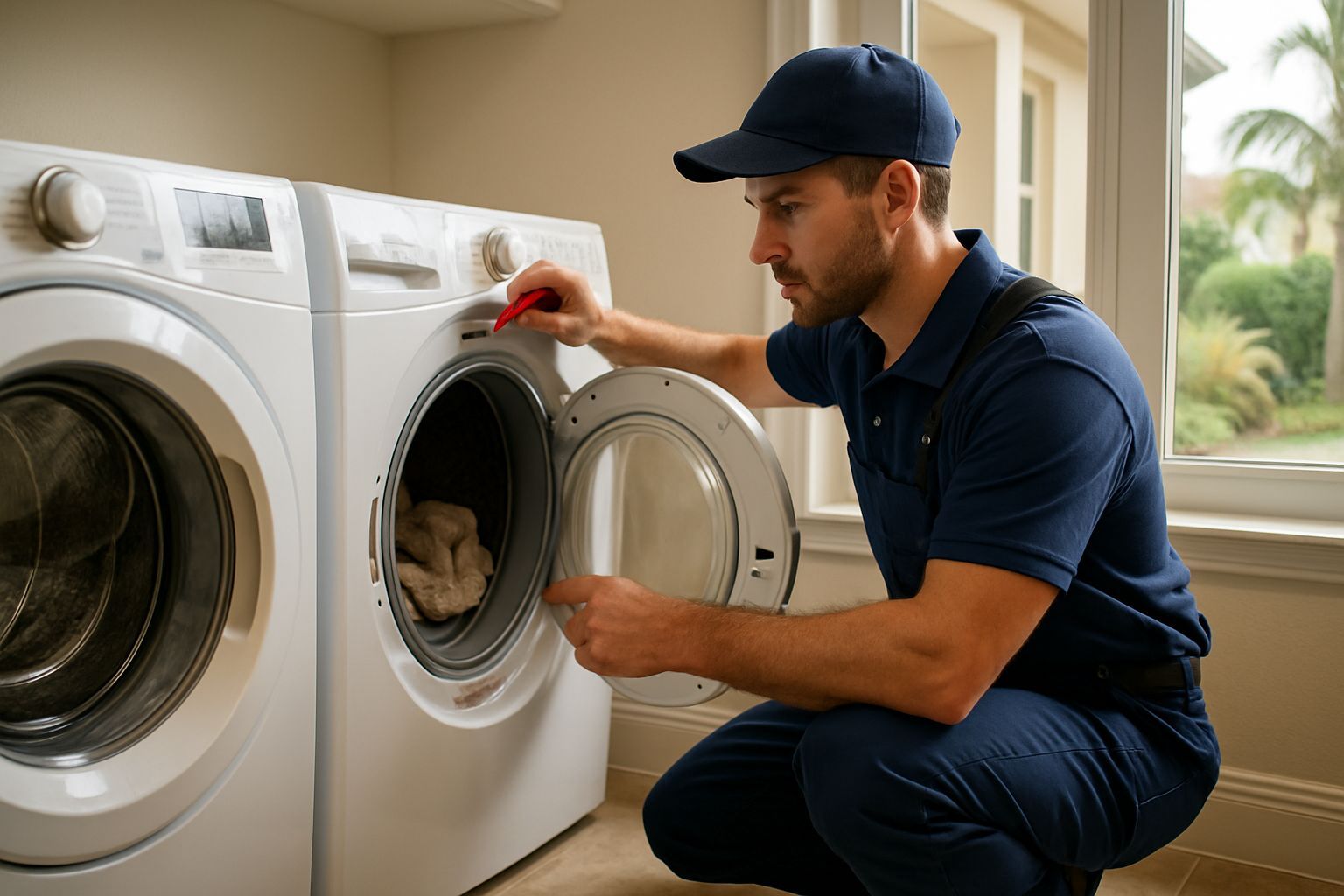
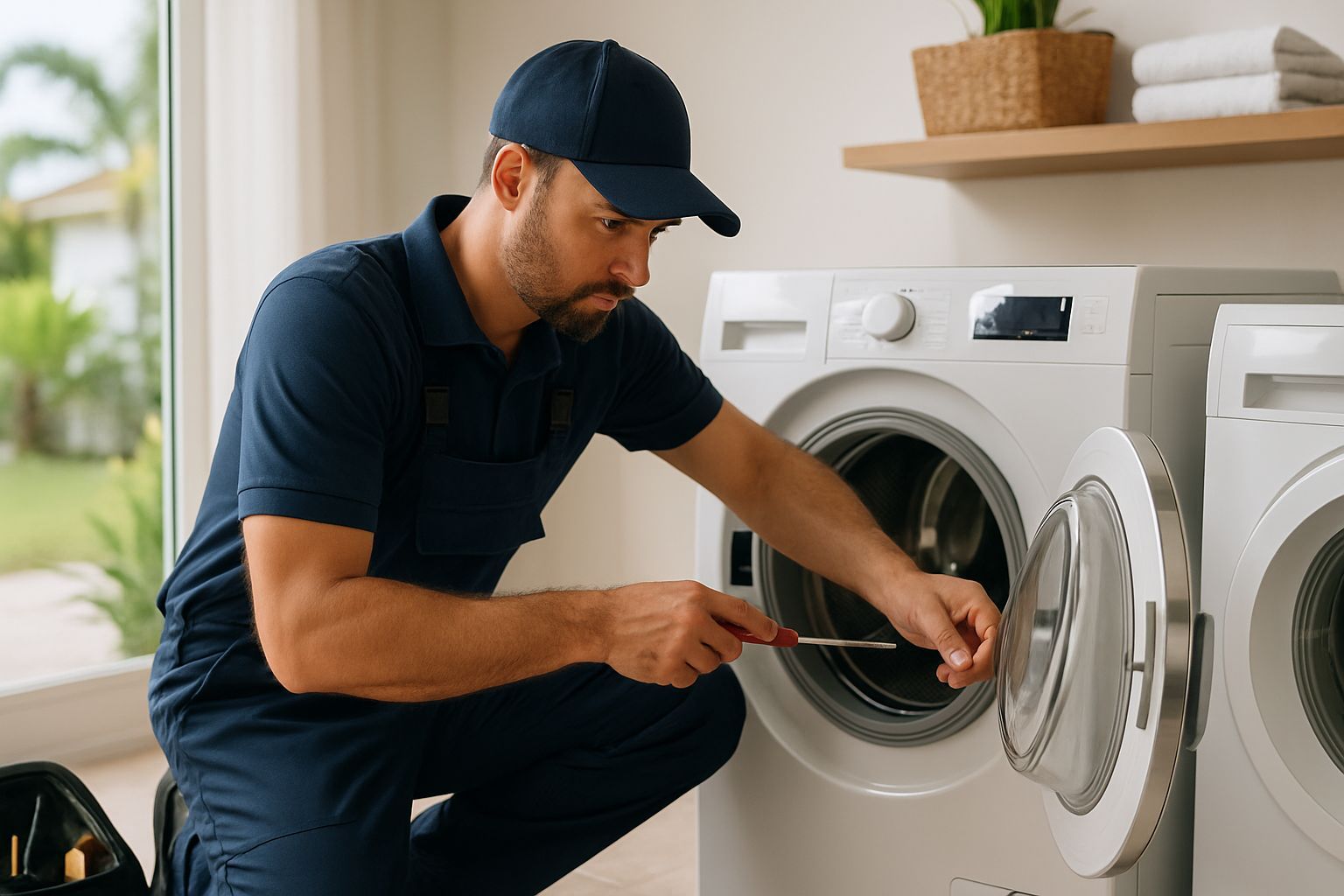
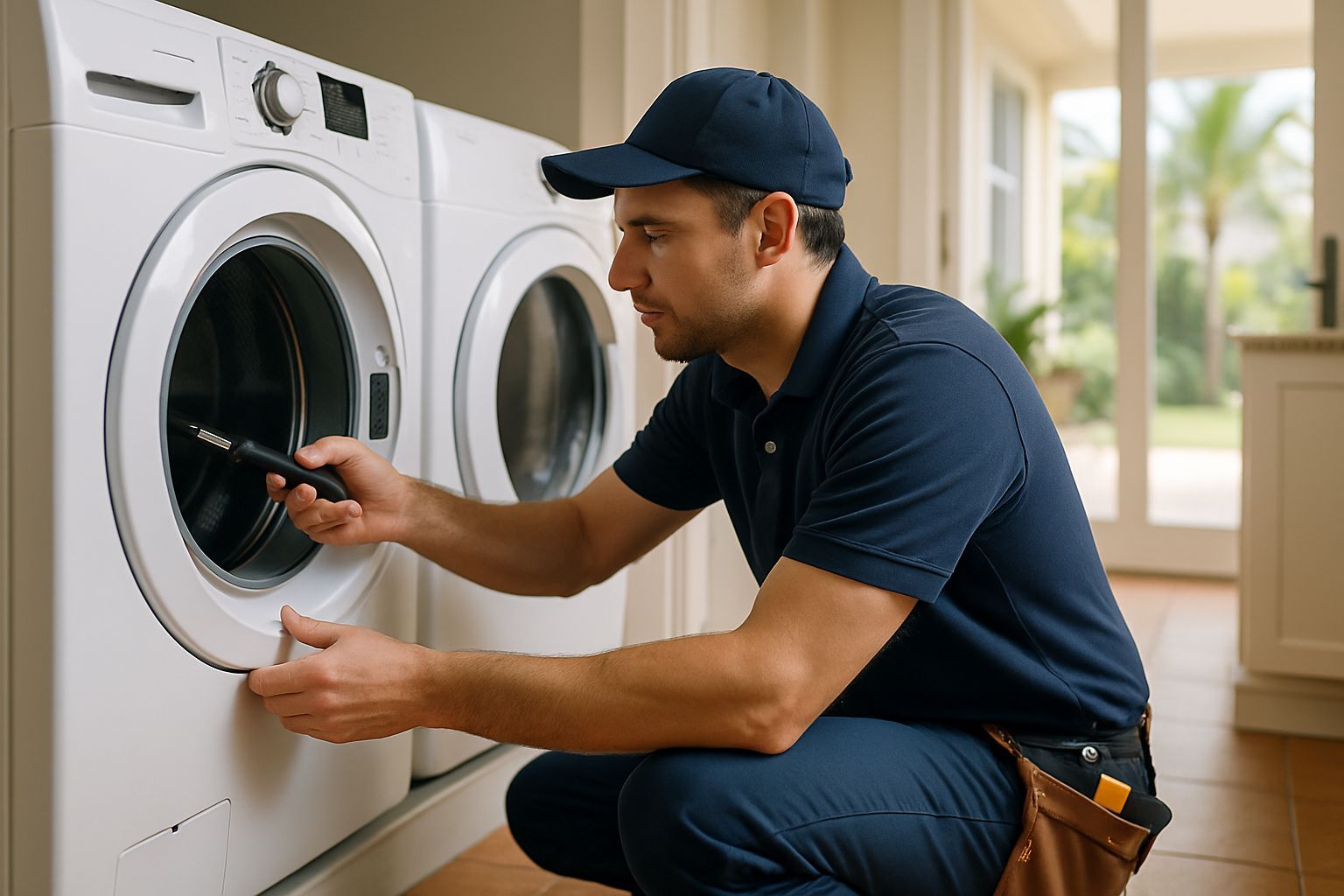
If repeated filling and draining continues after verifying the hose installation, washer and dryer repair can identify siphoning, pressure-feedback problems, inlet-valve faults, or electronic control concerns. Testing avoids replacing parts based only on symptoms.
Drainage and water-level issues can affect later cycle stages. If the washer fills normally but stalls before agitation or spin, review why a washer fills with water but will not spin. Homeowners needing washer repair in Greenacres, FL can have both the installation and machine checked.
Frequently Asked Questions About a Washer That Keeps Filling and Draining
Why does my washer fill while water runs down the drain?
Drain-hose siphoning is likely when water enters the standpipe during filling. Pressure-sensor faults, a sticking inlet valve, excess suds, or control problems can create similar symptoms.
Can a hose pushed too far down cause refilling?
Yes. A deeply inserted hose can allow water to siphon from the tub. The washer may keep adding water because it cannot maintain the expected level.
Should I seal the drain hose around the standpipe?
No. The connection needs airflow to prevent siphoning. Do not tape, caulk, or tightly seal the hose around the drain pipe.
Why does my high-efficiency washer appear to have little water?
HE washers use less water, and clothes may not be submerged. Repeated refilling, poor washing, or water draining before the drain cycle indicates a problem.
When should I schedule washer repair?
Schedule service if hose routing is correct but refilling continues, water levels remain abnormal, an error returns, or the washer leaks. Testing identifies the failed component.
For more drainage and cycle information, see these common washing machine problems that may affect washer performance.