
Dryer Sensor Cycle Ends Early but Clothes Are Still Damp: What It Means
By General Appliance Service
A dryer that heats, tumbles, then ends an Auto or Sensor Dry cycle with damp towels or jeans is making the wrong decision about the load. This problem often involves moisture detection rather than a failed heater or blocked vent. Comparing Sensor Dry with Timed Dry, checking load conditions, and cleaning accessible parts can help identify the cause safely.
What a Technician Checks When a Dryer Sensor Cycle Ends Early
Sensor-dry programs do not run for one fixed time. Moisture-sensor bars inside the drum detect contact from damp fabric and send information to the control, which decides whether to continue heating and tumbling.
A technician first confirms that the issue occurs during Auto or Sensor Dry. If Timed Dry runs long enough to dry the same laundry, a broad no-heat problem becomes less likely. That comparison does not automatically prove the sensor bars have failed, but it helps narrow the diagnosis.
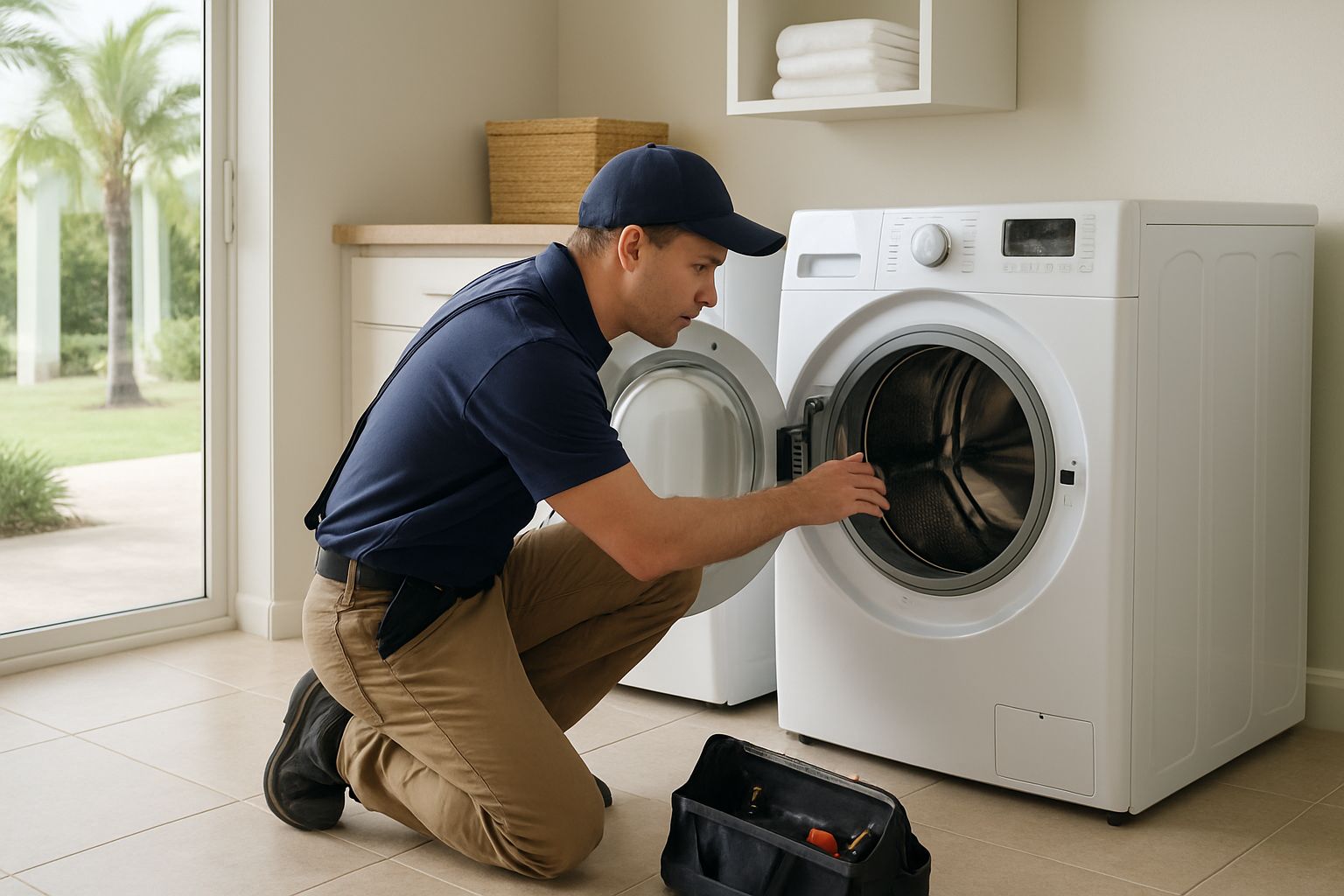
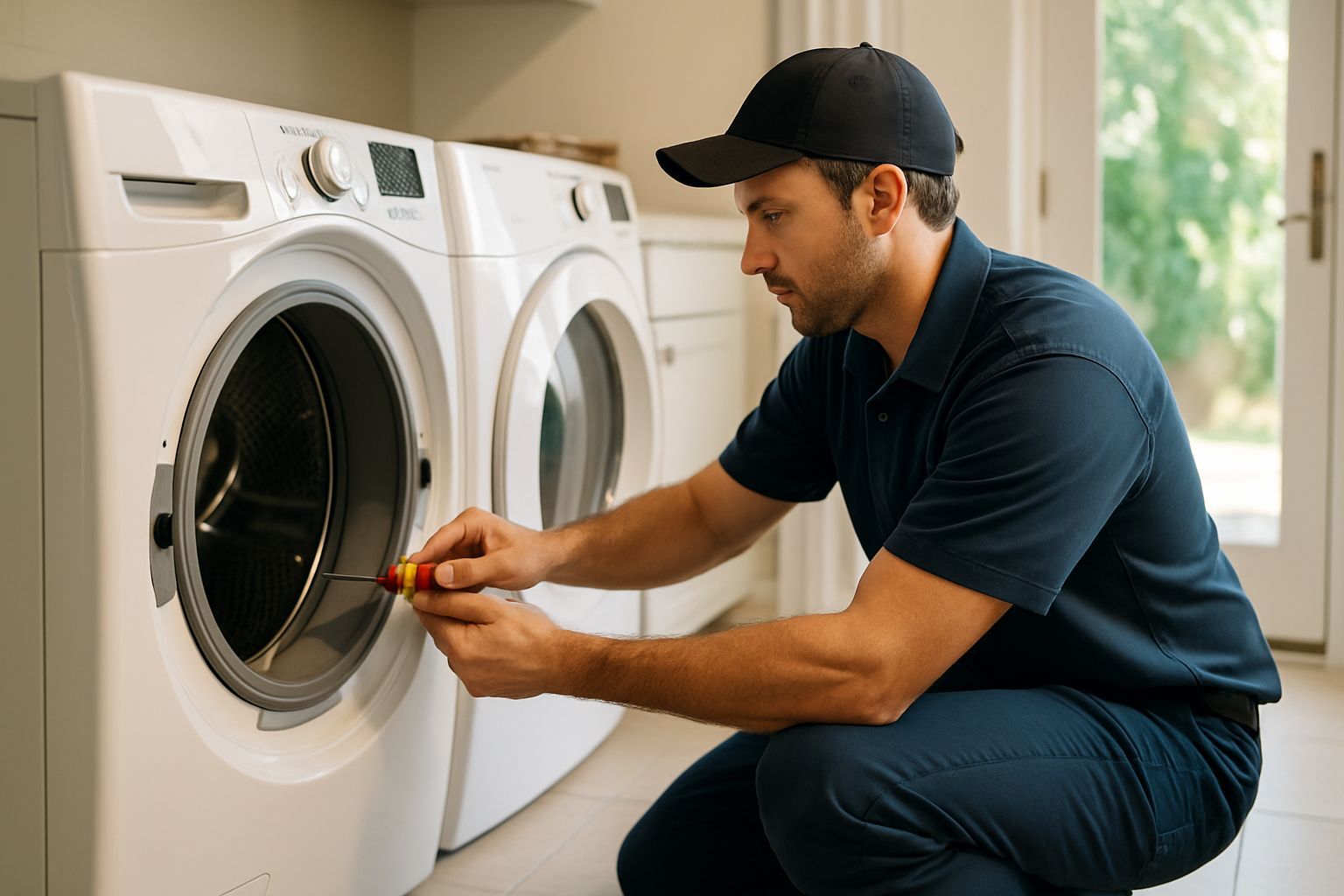
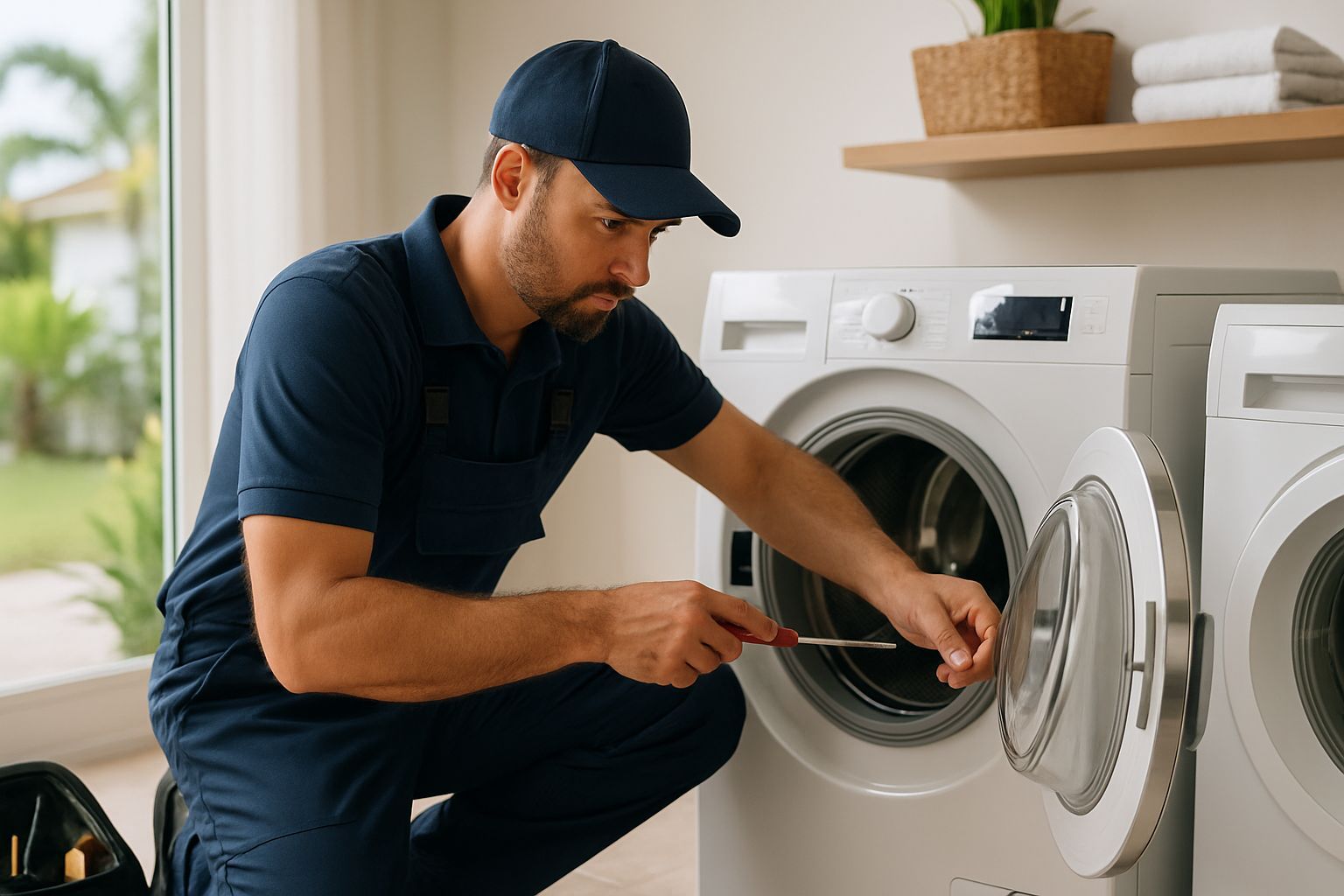
The technician may then inspect the sensor bars, wiring harness, and control response. Depending on the model, thermistors and thermostats can also affect heat management and cycle decisions. Replacing a control board before confirming the sensor circuit and temperature inputs can lead to unnecessary repair costs.
Load Size and Fabric Mix Can Fool Auto Dry
Small loads may not contact the sensing area consistently. One or two shirts, a few socks, or similarly light items can tumble without brushing the sensor bars often enough for reliable readings. Many dryers perform more accurately with a normal-sized load.
Mixed fabrics can cause a different problem. Towels, denim, and sweatshirts retain moisture longer than T-shirts or lightweight synthetic garments. If lighter pieces become dry first and repeatedly touch the sensors, the cycle may end while the heaviest items remain damp in the middle.
Test the dryer with a normal load of similar fabrics. Dry towels with towels instead of mixing them with athletic wear or thin shirts. If Sensor Dry performs normally with that test load, the original result may have been related to laundry movement and uneven drying rather than a failed component.
Clean the Lint Screen and Accessible Sensor Bars
Lint buildup and restricted exhaust can lengthen drying time, but airflow is not the automatic explanation for every sensor-cycle complaint. A dryer can have adequate heat and airflow yet end early because it receives inaccurate moisture information.
Clean the lint screen before every load. If it appears coated with fabric-softener residue, consult the owner manual. Many manufacturers allow the screen to be washed with warm water, mild dish soap, and a soft brush. Let it dry fully before reinstalling it.
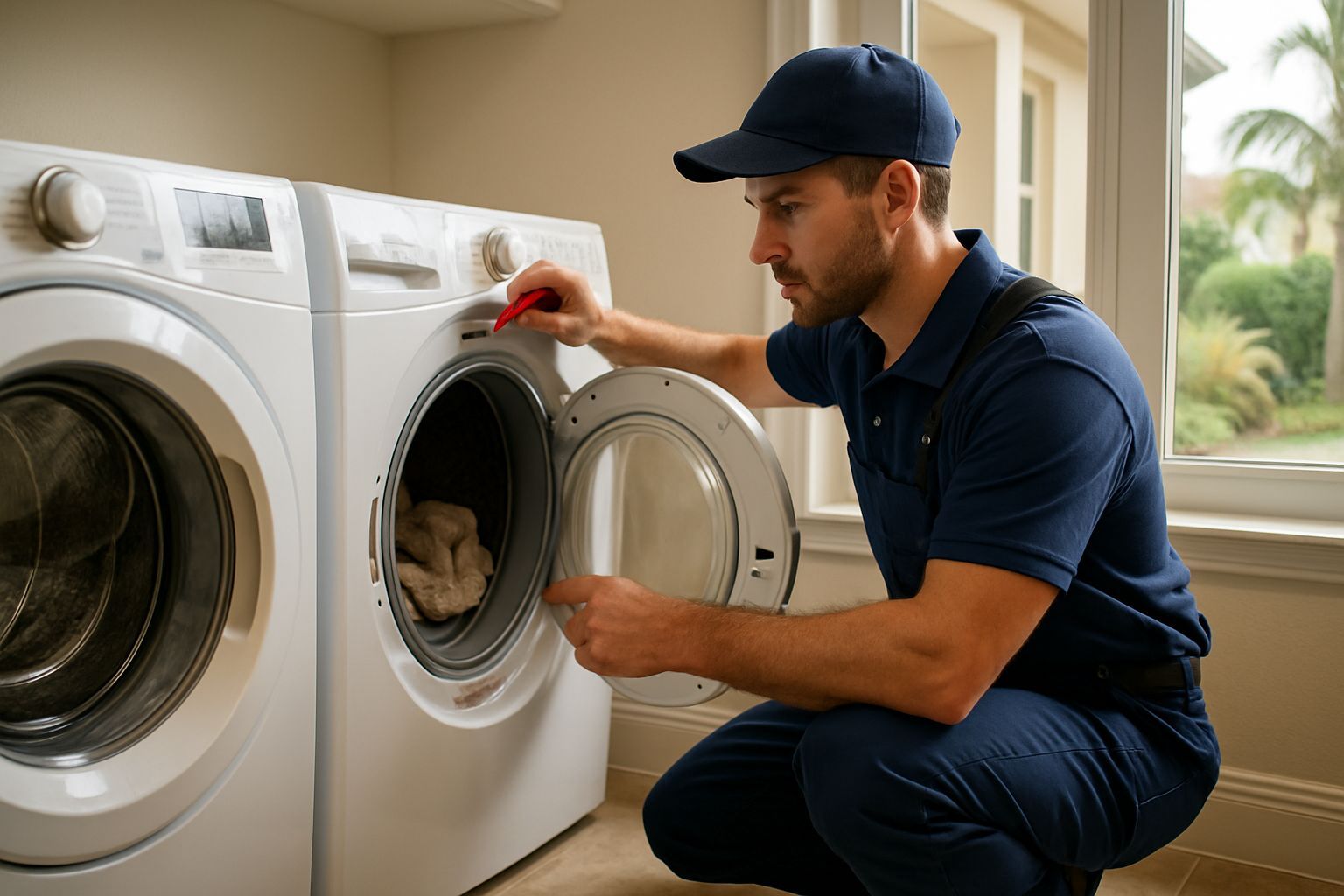
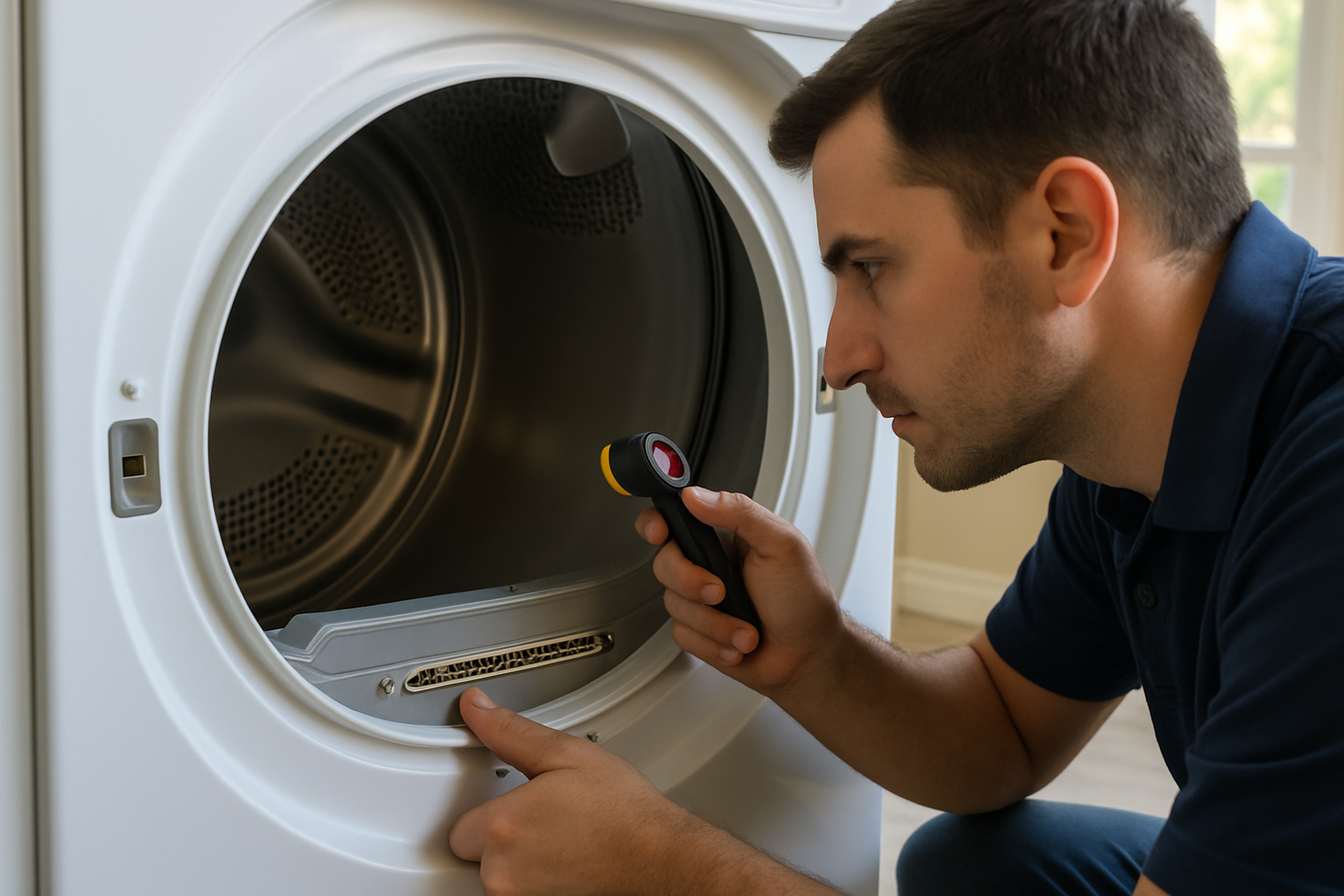
With the dryer cool and unplugged, locate the exposed moisture-sensor bars inside the drum, often two narrow metal strips near the front opening. Wipe only accessible bars using a soft cloth and the cleaner approved by the manual. Avoid scraping tools or abrasive pads.
Check that the exterior exhaust hood opens during operation and that the flexible duct is not crushed. Stop using the dryer for burning odors, excessive heat, damaged cords, or repeated breaker trips.
Why Timed Dry Can Work Better Than Auto Dry
Timed Dry follows the selected time instead of ending from a moisture-sensing decision. If it consistently dries the same load, the dryer may still be able to tumble, heat, and exhaust normally. The issue may involve sensor contamination, a sensor circuit, wiring, load size, or cycle interpretation.
This differs from a dryer that overheats, shuts down, and resumes after cooling. For that pattern, review dryer stops mid-cycle then starts again after cooling down.
If Timed Dry also leaves clothes damp, the diagnosis should extend beyond Auto Dry. Weak heat, restricted exhaust, gas-valve problems, electric heating-circuit faults, or incorrect temperature feedback can all reduce drying performance. Professional washer and dryer repair services can test the relevant heat, airflow, motor, and sensor circuits.
Frequently Asked Questions About a Dryer Sensor Cycle Ending Early
Why are towels still damp when the dryer says dry?
Towels retain moisture deep in their fibers. Lighter items may dry first, contact the sensors, and cause the cycle to end before towels are fully dry.
Can dryer sheets make Sensor Dry end early?
Yes. Dryer-sheet or fabric-softener residue can coat sensor bars and interfere with damp-fabric contact. Clean accessible bars only with a method approved by the owner manual.
Why does Timed Dry work better than Auto Dry?
Timed Dry does not depend on the same moisture-sensing decision. Proper Timed Dry performance can indicate a sensor, wiring, load, or cycle-interpretation issue.
Can a small load make a dryer stop too soon?
Yes. Small loads may not touch the moisture sensors consistently. Test a normal-sized load of similar fabrics to determine whether laundry movement affects the cycle.
When should I schedule dryer repair?
Schedule service if cleaning and load changes do not help, Timed Dry also fails, heat is inconsistent, warnings appear, or electrical or burning symptoms occur.
For homeowners needing appliance repair in Boca Raton, FL, an accurate diagnosis can prevent unnecessary replacement of sensors, heating parts, or control boards while addressing the actual signal or drying-performance problem.