
Why Is My Refrigerator Freezing Food Even on the Warmest Setting?
By General Appliance Service
A refrigerator that freezes lettuce, milk, drinks, or leftovers can be as frustrating as one that will not cool. Turning the control warmer may not solve the problem because the display or dial is not always a direct reading of the temperature around your food. Excess airflow, inaccurate temperature information, or a control problem can all cause overcooling.
What a Technician Checks When a Refrigerator Is Freezing Food
The fresh-food compartment is cooled by air produced in the freezer. A mechanical control, motorized damper, or diffuser regulates that air. If a damper stays open, freezer air can continue entering the refrigerator and freeze food near the outlet.
A stuck damper is not the only possibility. An obstruction may prevent movement, or a thermistor may report that the compartment is warmer than it really is. The control may then keep cooling longer than needed.
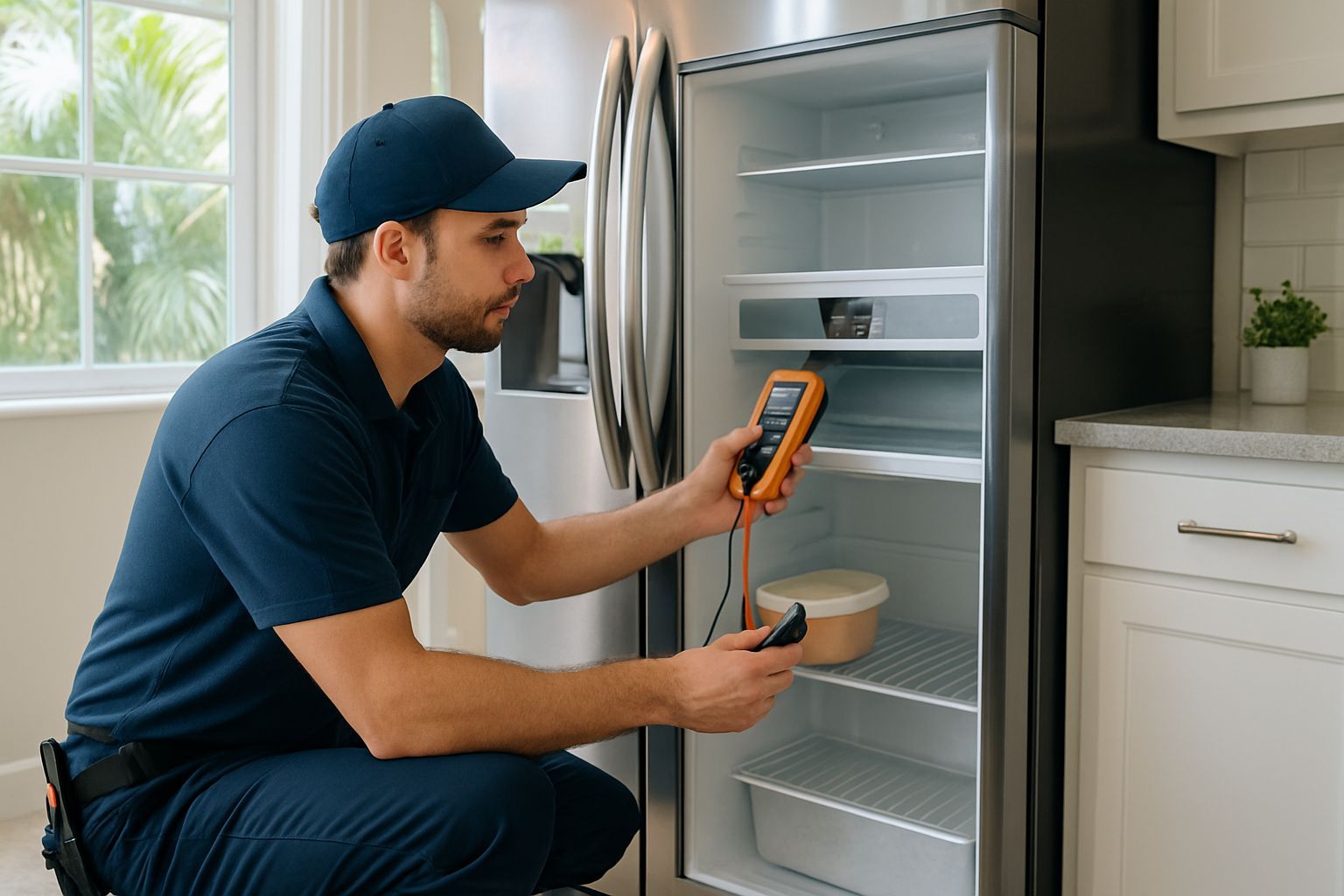
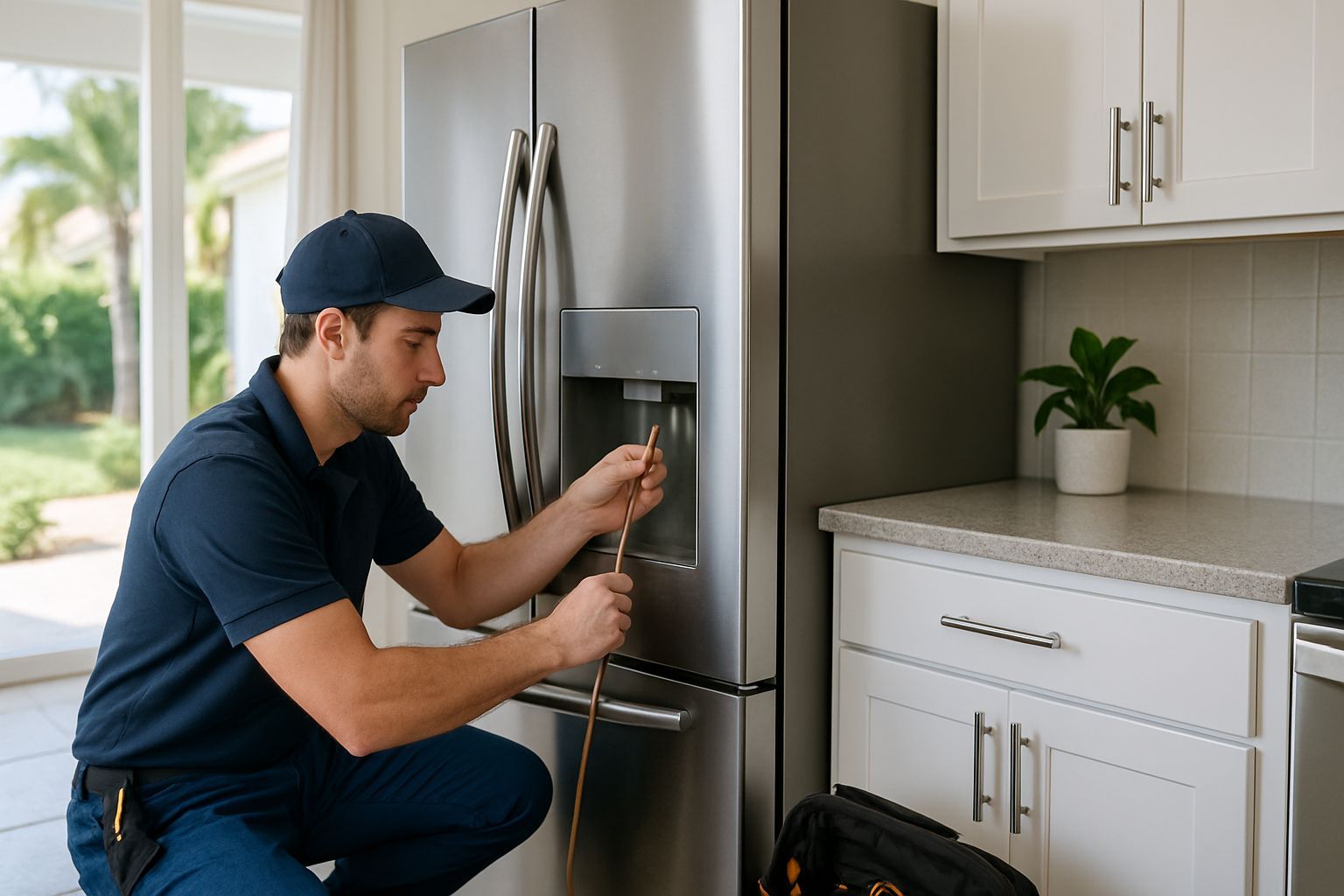
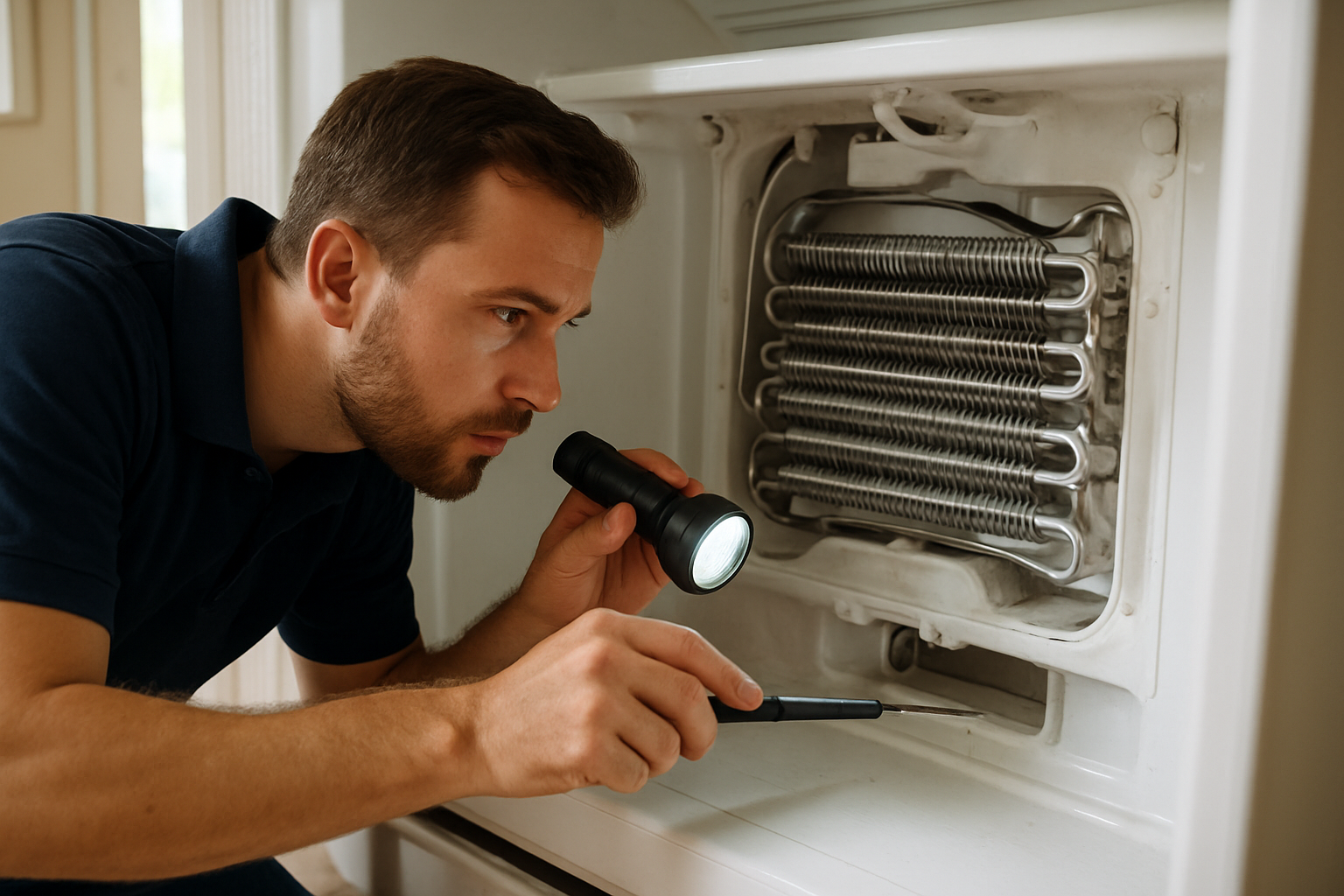
A technician verifies actual temperatures instead of relying only on the selected setting. They inspect airflow paths, damper position, fan operation, frost, and obstructions. Sensor values, wiring, and harness continuity may also require testing. Although a failed control board can cause overcooling, it should not be blamed before airflow and sensor issues are ruled out.
Why the Setting May Not Match Cabinet Temperature
Control numbers are often relative settings or targets, not proof that every shelf has reached that temperature. Even a digital display may show a setpoint rather than the conditions throughout the cabinet.
For a useful reading, place an appliance thermometer in a glass of water on a middle shelf and let it stabilize. Water changes temperature more slowly than air, giving a better indication of conditions affecting milk and leftovers.
Note where food freezes first. Items against the rear wall, below an outlet, or on an upper shelf may freeze while other areas seem normal. That pattern often suggests concentrated airflow rather than an entirely overcooled compartment.
A refrigerator section that is too warm is a different symptom. Our guide to a refrigerator warm but freezer cold explains how restricted airflow can create the opposite problem.
Safe Checks Before Calling for Refrigerator Repair
Start with food placement. Move produce, drinks, and delicate leftovers away from visible vents, rear-wall outlets, and especially cold shelf areas. Do not pack bags or containers against return-air openings, which can disrupt circulation.
Check that both doors close completely. A large container, shifted shelf, or bin can interfere with the seal. Inspect the gasket for visible debris or damage, but avoid major adjustments or disassembly.
Use the manufacturer-recommended setting and allow adequate time for temperatures to stabilize before changing it again. Record whether freezing is constant or intermittent, which shelf is affected, and whether the freezer also seems unusually cold.
Do not remove interior panels, force a damper door, bypass a door switch, or perform electrical tests. These actions can damage components, create hazards, and make the original symptom harder to diagnose.
Airflow, Sensors, and Controls Can Cause Similar Symptoms
Excess cold-air flow through a diffuser or damper is a common cause. Some airflow controls are mechanical, while others use a small motor and electronic monitoring. The correct repair depends on the model.
A faulty thermistor can look nearly identical. The refrigerator control uses sensor input to decide when to run components and position airflow controls. If that input is inaccurate, the system can make the wrong cooling decision.
Loose connectors, damaged wiring, and intermittent harness connections can also distort readings or prevent a damper from responding. Proper diagnosis confirms what each component is doing, whether it receives power when appropriate, and whether the control receives credible information before parts are recommended.
If freezing continues after basic placement and setting checks, professional refrigerator repair can identify whether the cause is airflow, sensing, wiring, or electronic control.
Frequently Asked Questions About Refrigerator Freezing Food
Why does food freeze when the setting is warmer?
The setting may be a target, not the cabinet temperature. A stuck damper, faulty thermistor, wiring problem, or control issue can still cause overcooling.
Can a blocked vent make refrigerator food freeze?
Food directly in front of a supply vent can freeze from concentrated cold air. Blocking return openings can disrupt circulation, so move food without covering components.
Why do vegetables freeze while other food seems normal?
Crispers may sit near cold airflow paths, and produce freezes easily because it contains water. Check the middle-shelf temperature and relocate drawer contents.
Will unplugging reset a temperature-control problem?
It may temporarily reset electronics, but it will not repair a stuck damper, bad sensor, damaged wiring, or mechanical obstruction. Recurring problems need diagnosis.
When should I schedule refrigerator repair?
Schedule service when food freezes in several locations, temperatures stay too low after basic checks, or glass containers could crack from freezing liquids.
Freezing can ruin food and crack glass containers. Move glass away from cold-air outlets, discard contaminated food, and keep the model number available. For appliance repair in Wellington, FL, arrange diagnosis when the symptom persists.