
Why Does My Dishwasher Smell Bad Even After Cleaning? What a Technician Checks
Dishwasher still smells bad after cleaning? Learn how drain hoses, filters, standing water, food debris and drainage problems can cause odors—and what to check.
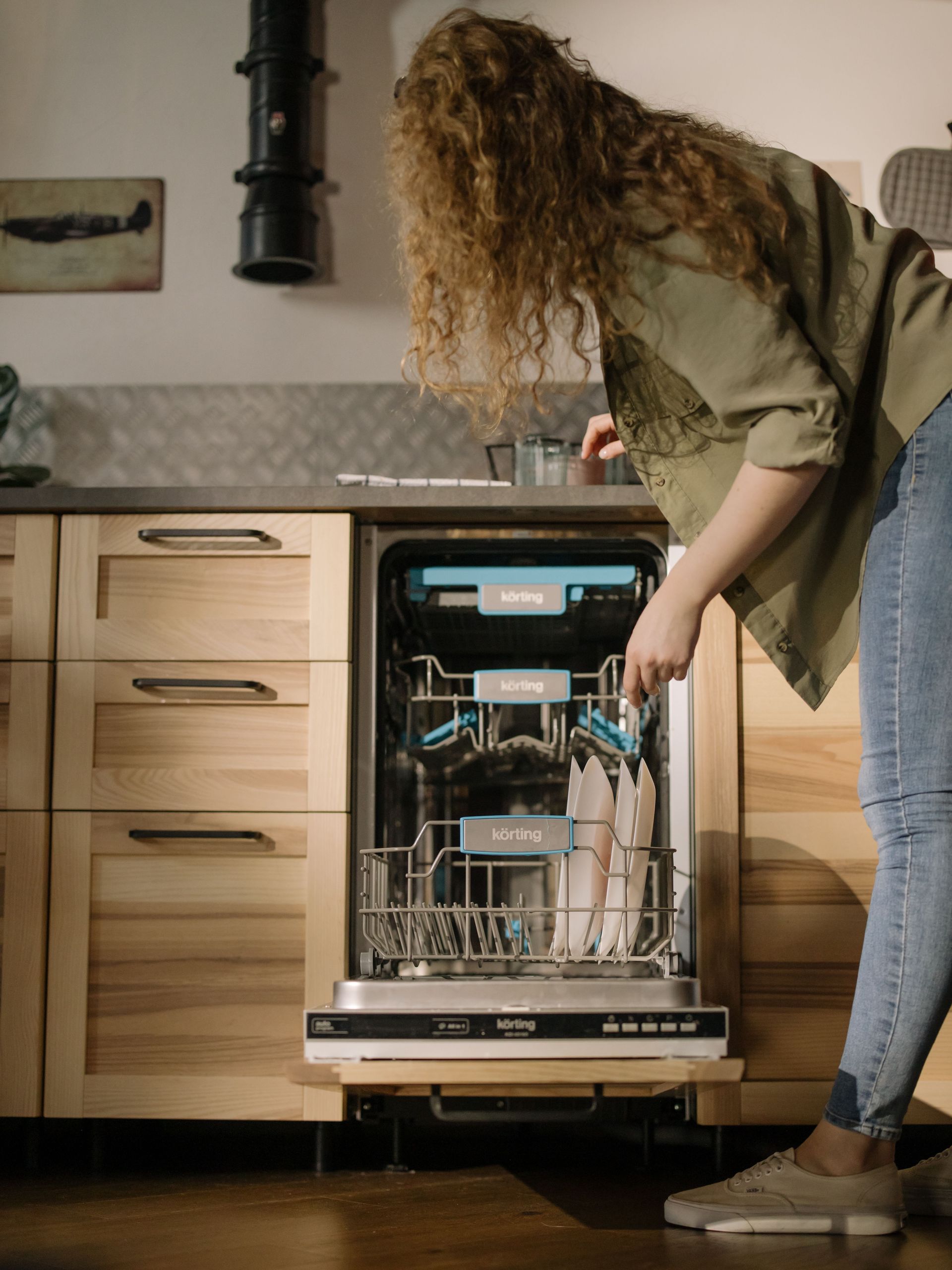
A dishwasher can look clean and still produce a nasty smell every time you open the door. When cleaning tablets, vinegar or another cleaning cycle only makes the odor disappear temporarily, we start looking beyond the visible stainless-steel tub. Persistent dishwasher odors often have more to do with dirty water, trapped food and drainage than with the surfaces you can easily wipe down.
From a service standpoint, the important question isn't simply, "How do we get rid of the smell?" We want to know where the odor is coming from and why it keeps returning. The filter, sump area, drain hose and household drain connection are some of the first places worth investigating.
Start With the Dishwasher Filter
Many modern dishwashers have a removable filter at the bottom of the tub. During washing, that filter helps keep larger food particles and debris from circulating through the machine.
Grease, food particles, pieces of labels, seeds and other debris can accumulate around the filter. Leave that material sitting in a warm, damp dishwasher and it doesn't take long before opening the door becomes unpleasant.
If your owner's manual identifies the filter as removable by the homeowner, remove and clean it according to the manufacturer's instructions. Use caution because broken glass or other sharp objects can occasionally collect near the sump.
There is another clue we look for here. If you thoroughly clean the filter and it becomes heavily contaminated again very quickly, we want to know why. The dishwasher could have a drainage problem rather than simply a dirty filter.
Standing Dirty Water Changes the Diagnosis
A dishwasher has to remove several loads of dirty water during a normal cycle. The drain pump moves that water through the drain system and eventually into the home's plumbing.
When dirty water remains across the bottom of the tub after the cycle has finished, we don't automatically condemn the drain pump. There are several possible causes. Debris may be restricting the drain path, the hose can be kinked or obstructed, the pump can have a mechanical or electrical problem, or there can be an issue where the dishwasher connects to the household drain.
That is why professional dishwasher repair should begin with diagnosis instead of changing parts based on one symptom. A pump cannot drain the dishwasher properly if something downstream is preventing the water from moving.
Why the Dishwasher Drain Hose Matters
The drain hose underneath the kitchen sink isn't something most homeowners think about until there's a problem. Its routing and connection, however, are important parts of the dishwasher's drain system.
During diagnosis, we want to see whether the hose is kinked or restricted and how it connects to the household plumbing. The installation needs to follow the requirements specified by the appliance manufacturer and applicable plumbing requirements.
This becomes particularly important when the dishwasher seems to drain but develops an odor again after sitting. Instead of assuming the dishwasher itself is dirty, we have to consider whether contaminated water is getting where it shouldn't.
Some Water in the Sump Can Be Normal
Seeing water underneath the dishwasher filter doesn't necessarily mean the appliance failed to drain. Dishwasher designs vary, and some can retain a limited amount of water in the sump area below the visible tub.
What gets our attention is a larger amount of dirty water remaining where it normally shouldn't after a completed cycle. If there is visible standing water containing food debris and the dishwasher smells worse after sitting overnight, that information is useful when diagnosing the problem.
Before scheduling service, pay attention to when the odor appears. Does it smell immediately after a wash? Only the following morning? Does the smell become stronger after using the kitchen sink or garbage disposal? Those details can help separate a dishwasher problem from a household drainage issue.
Don't Try to Fix Every Odor With More Chemicals
Once a dishwasher begins smelling, repeatedly adding cleaners can become a cycle of its own. The dishwasher smells, a cleaner temporarily masks or removes the odor, and several days later the smell returns.
At that point, we would rather determine what is physically happening inside the machine. Is food trapped around the filter? Is the dishwasher completing its drain cycle? Is the drain hose restricted? Is something interfering with the drain pump? Is dirty water returning after the dishwasher has drained?
Those questions get us closer to the actual failure.
Never mix different household cleaning chemicals in an attempt to eliminate an appliance odor. Also avoid removing electrical panels or reaching into service areas unless the appliance has been properly disconnected and you understand the procedure for that specific model.
The Smell May Be Connected to the Kitchen Drain
Sometimes a dishwasher gets blamed for an odor that originates elsewhere. Depending on the installation, the dishwasher drain system interacts with the kitchen's plumbing, sink and possibly a garbage disposal.
If the odor seems to change when other plumbing fixtures are used, that's worth mentioning to the technician. Good appliance troubleshooting includes determining whether the failure actually belongs to the appliance before recommending an expensive repair.
When Dishwasher Odors Need Professional Diagnosis
If you've cleaned the accessible filter and the odor keeps returning, there is visible dirty water after completed cycles, or the dishwasher has developed unusual noises while draining, it's reasonable to have the appliance professionally checked.
Homeowners searching for Delray Beach appliance repair can schedule professional dishwasher troubleshooting with General Appliance Service. The Delray Beach page is one of the verified service-area URLs in the General Appliance Service site list.
We also diagnose other major household appliances, so a dishwasher problem can be handled alongside needs for refrigerator repair, washer and dryer repair, or oven and cooktop repair.
Fix the Cause Instead of Covering Up the Smell
A bad dishwasher smell is a symptom, not a diagnosis. Cleaning the filter is an excellent first step, but an odor that repeatedly comes back is telling you there may be something else happening with food accumulation, standing water or the drainage system.
The goal of a proper service call is to find that cause before replacing parts. If the dishwasher is not draining correctly, we want to know what is stopping it. If the machine drains normally, we can move on to other possible sources instead of guessing.
If your dishwasher continues to smell or isn't draining correctly, you can schedule appliance service with General Appliance Service for professional diagnosis.